Home / Blog

10 Tips for Beginner Divers

Are you ready to embark on an exhilarating journey beneath the waves? Scuba diving offers a unique opportunity to explore the mesmerizing world beneath the ocean's surface. Whether you're drawn to vibrant coral reefs, curious marine life, or the thrill of underwater exploration, diving promises an unforgettable adventure. To ensure a safe and enjoyable experience, we've compiled a list of essential tips for beginner divers. Let's dive in!

1. Invest in Proper Training

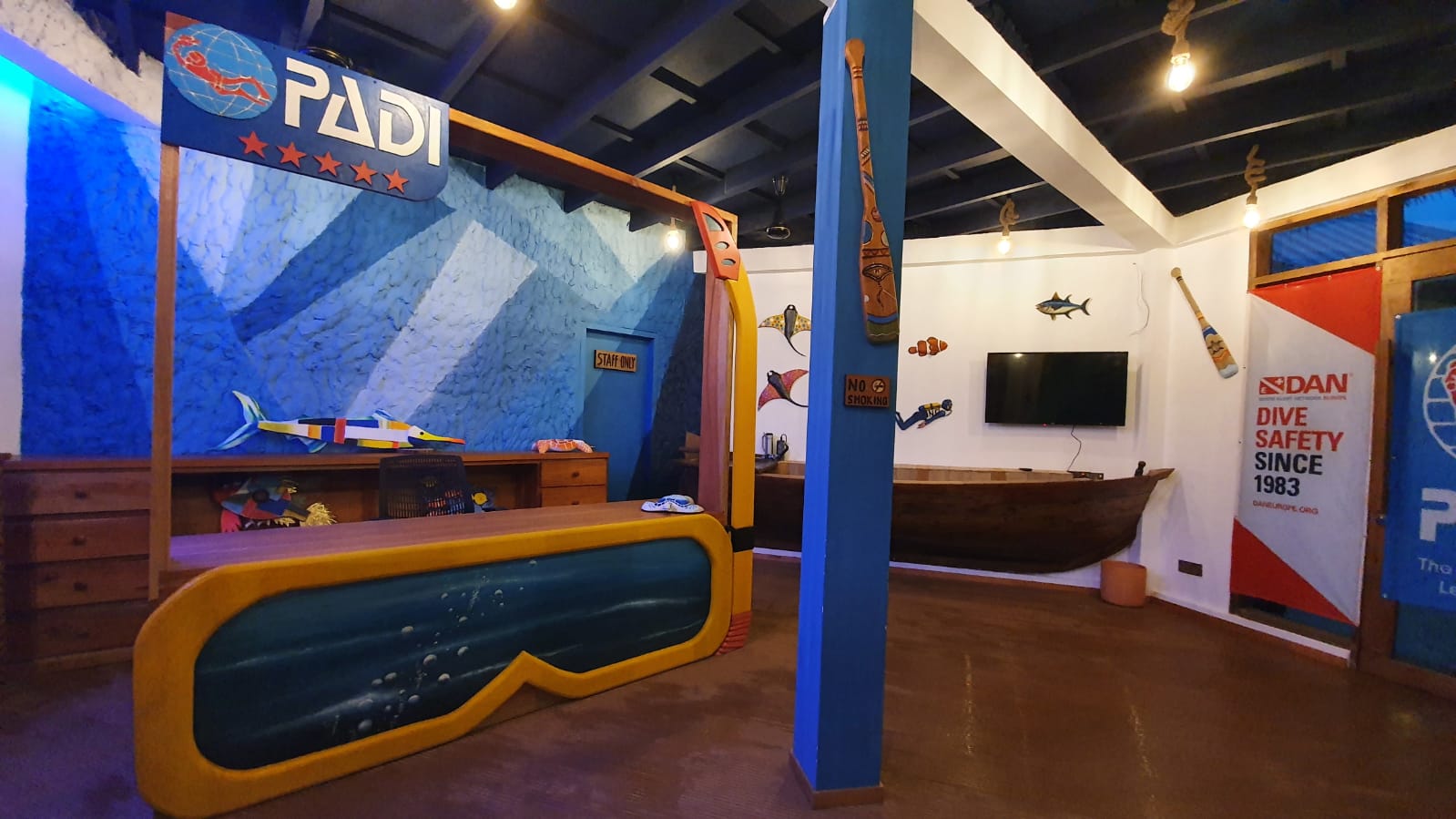
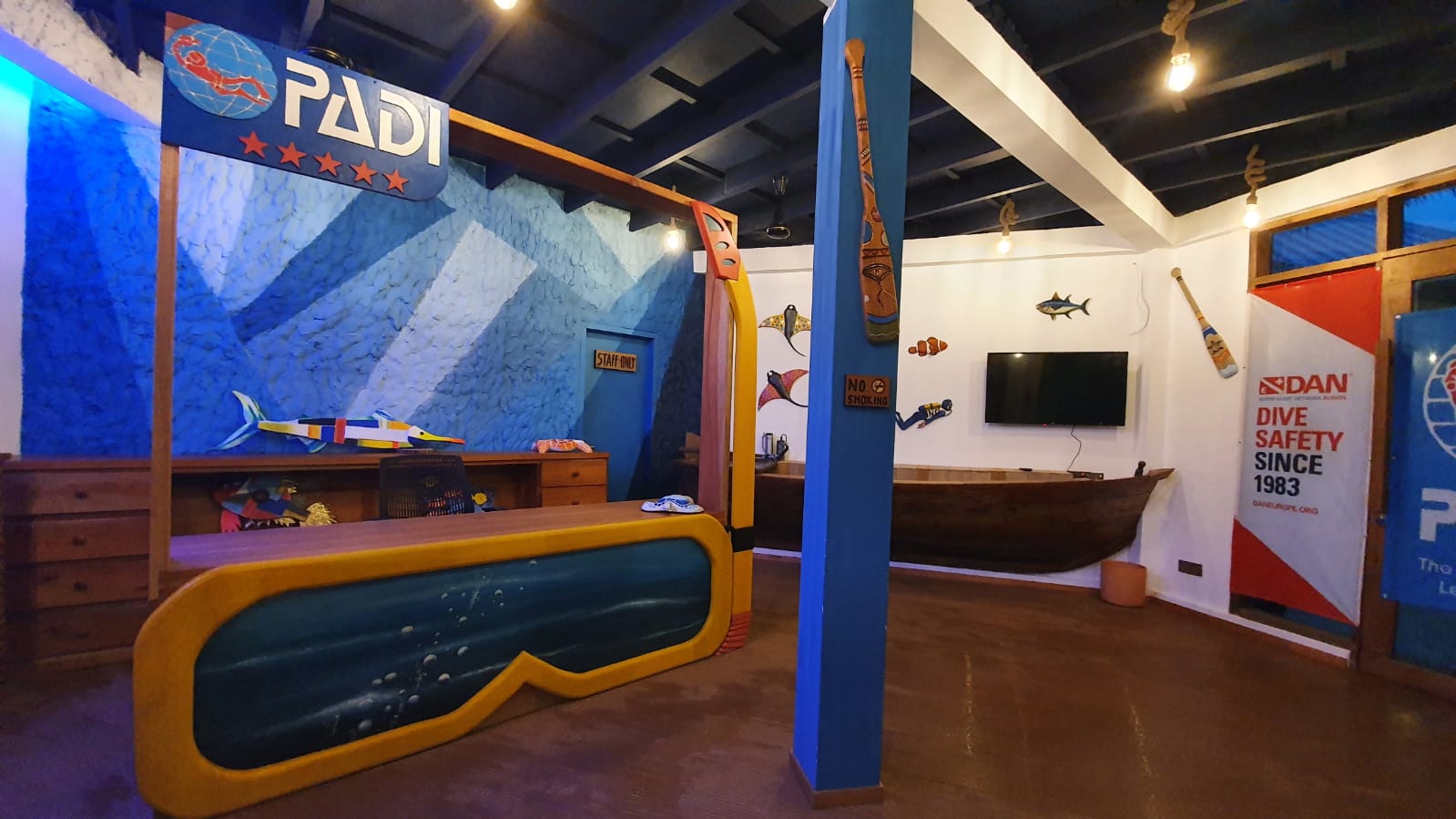
Before you take the plunge, invest in a certified scuba diving course. Proper training will equip you with essential knowledge and skills, including dive theory, equipment use, safety procedures, and emergency protocols. Look for reputable dive centers or instructors accredited by organizations such as PADI (Professional Association of Diving Instructors)

Blog Image

Our Amazing Blog

Selecting the right gear is crucial for comfort, safety, and performance underwater. Invest in high-quality equipment, including a well-fitting mask, snorkel, fins, wetsuit, buoyancy control device (BCD), regulator, and dive computer. Renting gear is an option for beginners, but owning your equipment ensures a personalized fit and familiarity.

Blog Image

3. Master Buoyancy Control

Achieving proper buoyancy control is essential for conserving energy, maintaining depth, and avoiding accidental damage to fragile marine life. Practice buoyancy control techniques during your training and continue to refine them with each dive. Remember, buoyancy control is a skill that improves with experience and practice.

Blog Image

4. Equalize Your Ears

As you descend into the depths, the pressure surrounding your ears increases. To prevent discomfort or injury, learn how to equalize the pressure in your ears by gently exhaling through your nose while pinching your nostrils closed. Start equalizing early and frequently during descent, especially if you feel any discomfort.

Blog Image

5. Communicate Effectively

Communication is key to safe diving. Learn and use standardized hand signals to communicate with your dive buddy and dive leader underwater. Clear communication ensures mutual understanding, enhances safety, and allows for coordinated dives.

Blog Image

6. Plan Your Dives

Before each dive, carefully plan your excursion. Consider factors such as dive site conditions, depth, underwater currents, entry and exit points, and potential hazards. Discuss the dive plan with your buddy and adhere to established safety protocols throughout the dive.

Blog Image

7. Dive with a Buddy

Never dive alone. Diving with a buddy enhances safety by providing mutual support and assistance in case of emergencies. Stay close to your buddy throughout the dive, maintain visual contact, and communicate regularly to ensure a safe and enjoyable experience for both.

Blog Image

8. Monitor Your Air Supply

Keep a close eye on your air supply throughout the dive. Check your pressure gauge regularly and maintain a sufficient reserve of air for a safe ascent and decompression. Ascend with plenty of air remaining in your tank to avoid the risk of running out of air before reaching the surface.

Blog Image

10. Stay Calm and Relaxed

Lastly, remember to stay calm and relaxed underwater. Conserve your energy, breathe deeply and evenly, and enjoy the unique sensation of weightlessness as you explore the underwater world. Maintain a positive attitude, and embrace the adventure with a sense of wonder and respect.

Blog Image

With these ten tips in mind, you're ready to embark on your scuba diving adventure with confidence and enthusiasm. Whether you're diving in tropical waters, exploring underwater wrecks, or encountering majestic marine life, each dive promises a new and unforgettable experience. So, grab your gear, dive in, and discover the wonders that await beneath the surface. Safe diving, and may your underwater adventures be filled with excitement, beauty, and awe!

Subscribe to our Newsletter

Explide
Drag